How Is Gold Jewelry Priced? Everything That Goes Into the Price
A gold jewelry price is built from the weight of gold in grams times the gold price for the chosen karat, plus labor, design complexity, stones and setting, finishing such as rhodium plating, 18% VAT in Israel and, at retail chains, a brand markup. That's why two pieces of the same weight can cost very different amounts.

What makes up the price of gold jewelry?
Looking at a price tag in a shop window, it's hard to know what you're actually paying for. In practice, almost every gold piece is priced from the same components. Once you know them, it's much easier to compare quotes and understand why one piece costs twice as much as another that looks similar.
| Component | What it covers | Impact |
|---|---|---|
| Gold weight | Grams in the finished piece | High, especially for solid pieces |
| Karat | Share of pure gold in the alloy (14K, 18K) | Medium–high |
| Labor | Casting, soldering, polishing, handwork | Medium–high, depends on complexity |
| Stones & setting | Diamonds or gems plus setting work | Can be the largest component |
| Finishing | Rhodium plating, textures, engraving | Low–medium |
| VAT | 18% on the final price in Israel | Fixed |
| Brand markup | Rent, advertising and chain profit | Varies widely |
How many grams of gold are in a piece?
Weight is the basis of every calculation. The thicker, wider or more solid the piece, the more gold it contains. Here are approximate weight ranges for common pieces in 14K gold; actual weight depends on design, size and thickness:
| Piece | Approx. weight |
|---|---|
| Thin band | 2–3 g |
| Classic wedding band | 4–7 g |
| Solitaire engagement ring (without stone) | 2.5–4 g |
| Chunky men's ring | 8–15 g |
| Thin chain, 45 cm | 2–5 g |
| Name necklace | 2–4 g |
| Bangle | 8–20 g |
| Stud earrings (pair) | 1–2 g |
So for wedding rings and bangles, weight is a major part of the price. For name necklaces and small earrings, labor and design take a relatively larger share.
How does karat affect the price?
Karat tells you how much pure gold is in the alloy: 14K is 58.5% gold and 18K is 75%. On the market, a gram of 18K therefore costs more than a gram of 14K. 18K is also slightly denser, so the exact same design weighs a little more. 14K is the most popular choice in Israel for everyday jewelry thanks to its balance of durability, look and price. For a full comparison, see 14K vs 18K gold.
What about 24K? Pure gold is very soft and scratches and bends easily, so it's rarely used for rings or stone-set jewelry. The alloy metals (silver, copper and others) give 14K and 18K gold their strength and their different colors: yellow, white and rose.
What is labor, and why does it cost so much?
Labor is the cost of turning raw gold into jewelry: modeling, casting, soldering, cleaning, polishing and quality control. A simple piece like a plain band needs few hours, while a piece with fine details, cut-outs, textures or styled lettering needs many more. Design complexity is often what explains the gap between two pieces of the same weight.
- Simple design: plain band, basic chain. Relatively little labor.
- Moderate design: name necklace, shaped ring profile. Noticeable labor.
- Complex design: filigree, lacework, 3D elements, multi-stone setting. A lot of labor.
How much do stones and setting add?
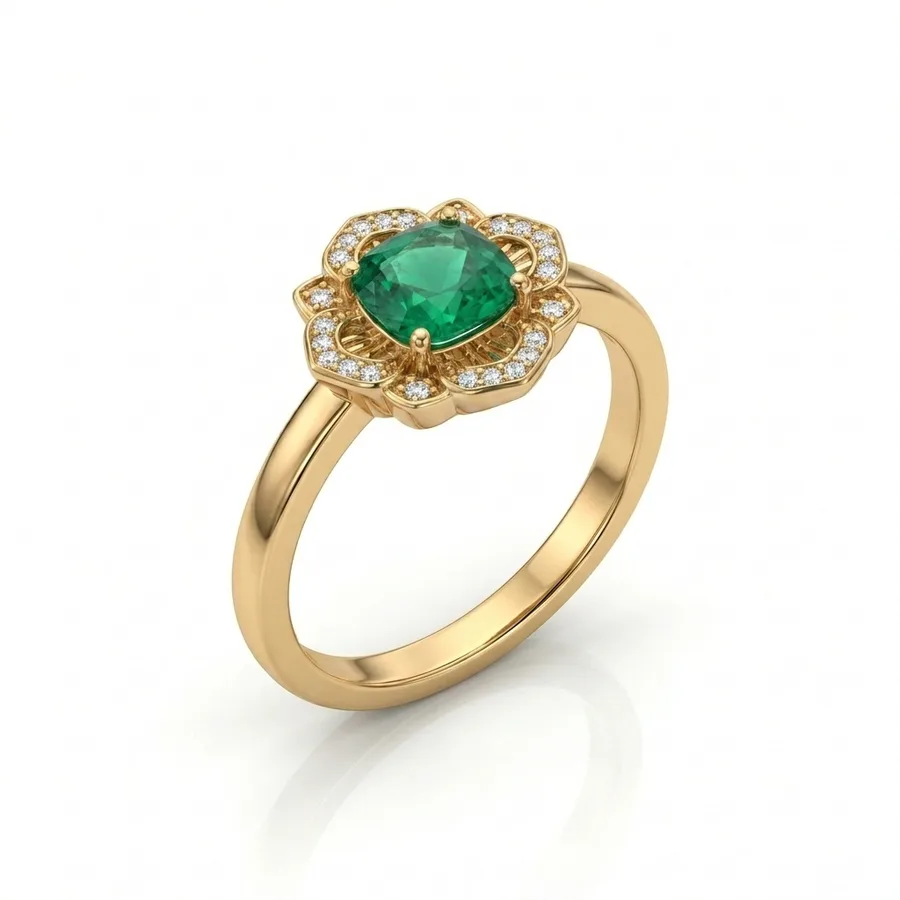
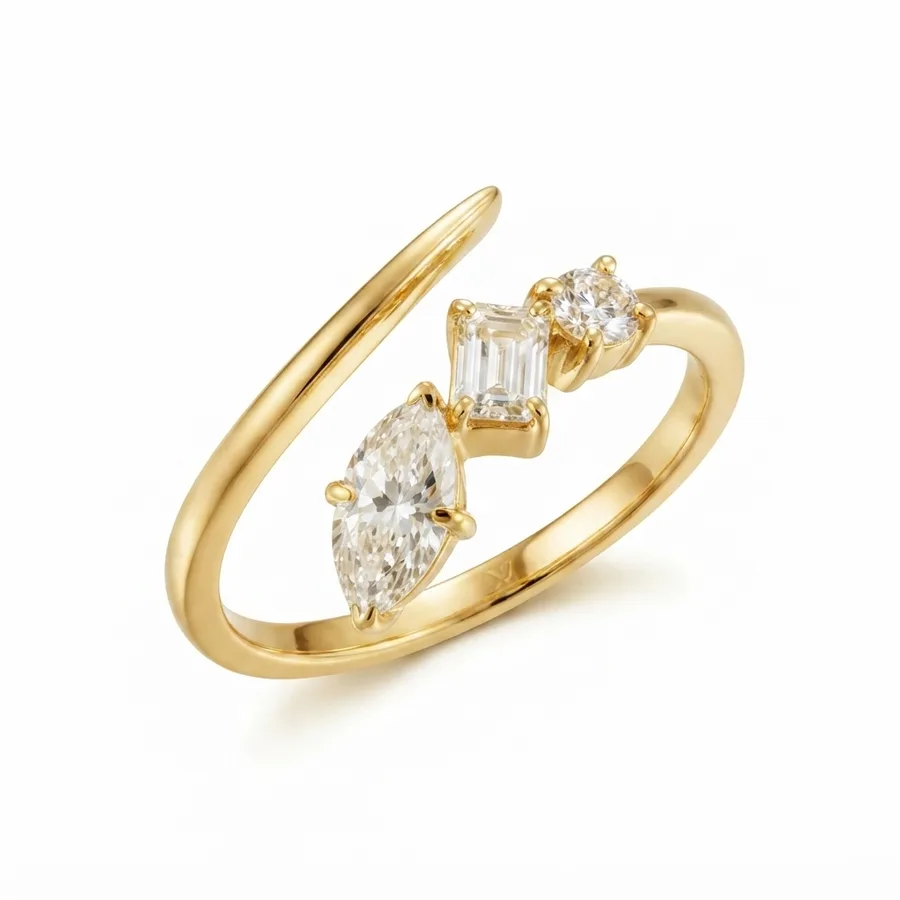
Once stones are involved, they can become the largest part of the price. Cost depends on the type, size and quality of the stone; for diamonds, that's the 4Cs explained in our diamond 4Cs guide. On top of the stone itself, setting work costs too: setting one center diamond is simpler than pavé-setting dozens of small stones. Choosing between a natural and a lab-grown diamond also changes the price significantly.
Finishing, rhodium plating and VAT
White gold is usually rhodium-plated for a bright white finish. Textures (matte, brushed, hammered) and engraving also add work. Finally, 18% VAT is added to the whole price in Israel. When comparing quotes, make sure they all include VAT, otherwise the comparison isn't fair.
Why is a store's "price per gram" misleading?
Many stores quote a "price per gram" for jewelry, which sounds transparent. But that number blends gold, labor, brand markup and VAT, so it isn't really the gold price. It's misleading in several ways:
- It hides the karat: a per-gram price for 14K and for 18K can't be compared directly.
- It ignores complexity: simple and intricate pieces are sometimes priced at the same rate per gram, so on the simple one you overpay.
- It rewards heavy pieces: when the price is per gram, the seller has no incentive to offer a lighter, smarter design.
- Gold prices move: the world gold price rises and falls, so any number is only a snapshot.
The right question isn't "how much per gram?" but "how much for this piece, in this karat, with these stones, including VAT?"
Why is gold jewelry at retail chains more expensive?
At jewelry chains, the price also covers mall rent, sales staff, large inventories, advertising and brand profit. That's legitimate, but it's a big part of what you pay and has nothing to do with the gold or the craftsmanship. When you order directly from a workshop, most of the money goes into the material and the work itself.
That's exactly the Gold AI model. We have no physical store; you design your piece for free in our AI design studio, refine it in chat, and request a personal quote that our team sends over WhatsApp. Each piece is handcrafted by expert goldsmiths at partner workshops in the Ramat Gan diamond exchange district, usually within about 2–3 weeks (business days). Most custom pieces we quote typically start from around ₪2,000, depending on weight, complexity and stones.
Example: two rings, same weight, different price
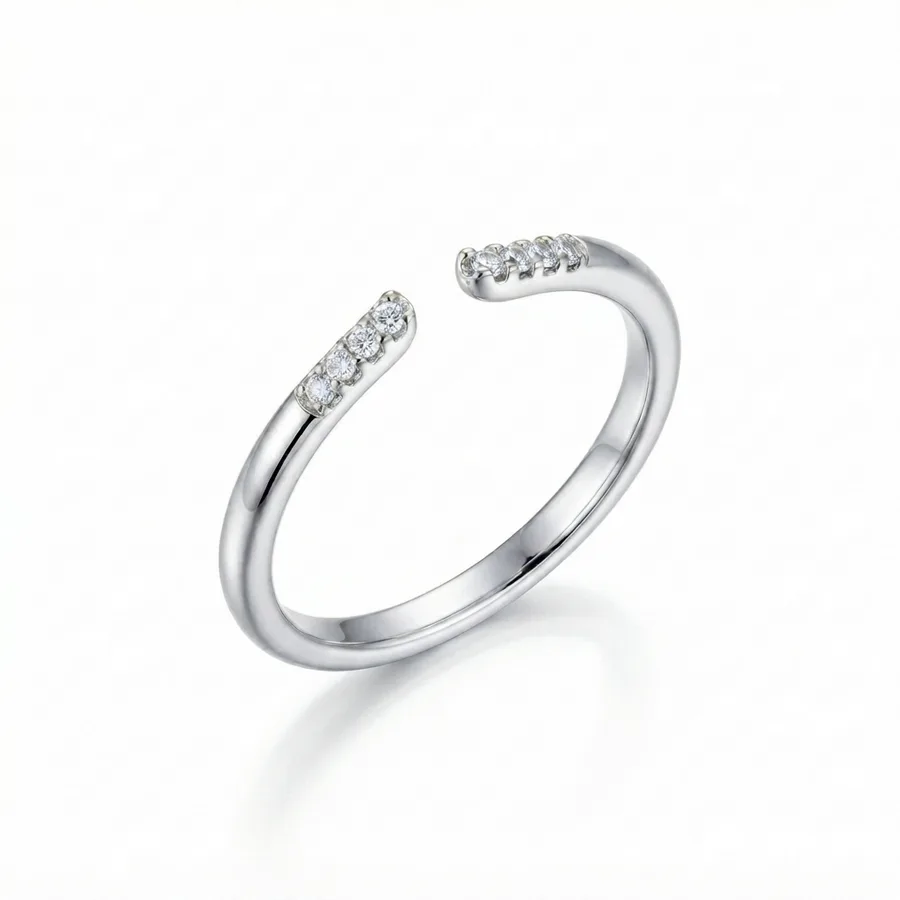
Take two 14K gold rings that each weigh about 5 grams. The first is a plain, rounded wedding band: cast, polished, done. The second has a grooved profile, a brushed texture and a row of seven small diamonds. The amount of gold is almost the same, but the second needs many more hours of work, plus the stones and delicate setting. The result: it can cost far more, even though on the scale the two are "equal".
So when you compare gold rings, compare design to design, not just weight to weight.
What to ask for in a gold jewelry quote
- Karat and gold color (for example, 14K yellow).
- Approximate weight of the finished piece.
- Stone details: type, number and size, plus grade and certificate for a center stone.
- Whether the price includes VAT, shipping and engraving.
- Estimated production time and what the warranty covers.
A detailed quote lets you see what you're paying for and ask for smart changes, such as a slightly narrower band or a different stone, to reach your budget.
How to save on gold jewelry without compromising the look
- Choose 14K: more durable for daily wear and more affordable.
- Smart, not heavy, design: a slightly hollowed inner profile or a slightly thinner band can cut grams without showing.
- A diamond just under a round weight: for example 0.9 instead of 1.0 carat.
- Match diamond color to the metal: in yellow gold you can choose a lower color grade.
- Order direct from a workshop: no chain markup.
Planning an engagement ring? Also read how much an engagement ring costs.