Yellow, White or Rose Gold: What's the Difference and How to Choose
Yellow, white and rose gold contain the same amount of pure gold for a given karat — the difference is the metals in the alloy. Yellow gold mixes in silver and copper, white gold uses palladium or nickel and is rhodium-plated, and rose gold has more copper. The choice comes down to taste, maintenance and skin sensitivity.

Pure gold (24K) is yellow, very soft and unsuitable for most jewelry. So it's alloyed with other metals that add hardness — and those metals also set the color. 14K gold is about 58.5% pure gold and 18K about 75%, in every color. Want the karat side of the story? Read 14K vs 18K gold.
What is each gold color made of?
- Yellow gold — gold with silver and copper (sometimes a little zinc). The warm classic, closest to gold's natural color.
- White gold — gold with "whitening" metals like palladium or nickel, sometimes silver. Even then it has a slightly grayish-yellow tint, so it's plated with rhodium.
- Rose / pink / red gold — gold with a higher share of copper. The more copper, the redder the tone.
What is white gold, and why does it need rhodium plating?
White gold is an alloy of gold with pale metals. It isn't silver or platinum — it contains exactly as much gold as yellow gold of the same karat. To get the bright white look people associate with it, it's coated with a thin layer of rhodium, a platinum-group metal.
The plating wears gradually, especially on everyday rings and high-friction spots. When it does, a soft warm tone shows through. The fix is simple: re-plating with rhodium, typically every one to two years for rings and less often for earrings and necklaces. It's a quick job for a jeweler, and the piece looks new again.
Yellow vs white vs rose gold compared
| Yellow gold | White gold | Rose gold | |
|---|---|---|---|
| Alloy metals | Silver and copper | Palladium or nickel, silver; rhodium plated | High copper, some silver |
| Look | Warm and classic | Bright white, modern | Pinkish-copper, romantic |
| Maintenance | Occasional polishing | Rhodium re-plating every 1–2 years | Occasional polishing; tone may deepen slightly over time |
| Durability | Good | Good (rhodium adds surface hardness) | Copper makes it relatively hard |
| Allergies | Rare | Nickel-containing alloys can cause reactions | Copper sensitivity possible but rare |
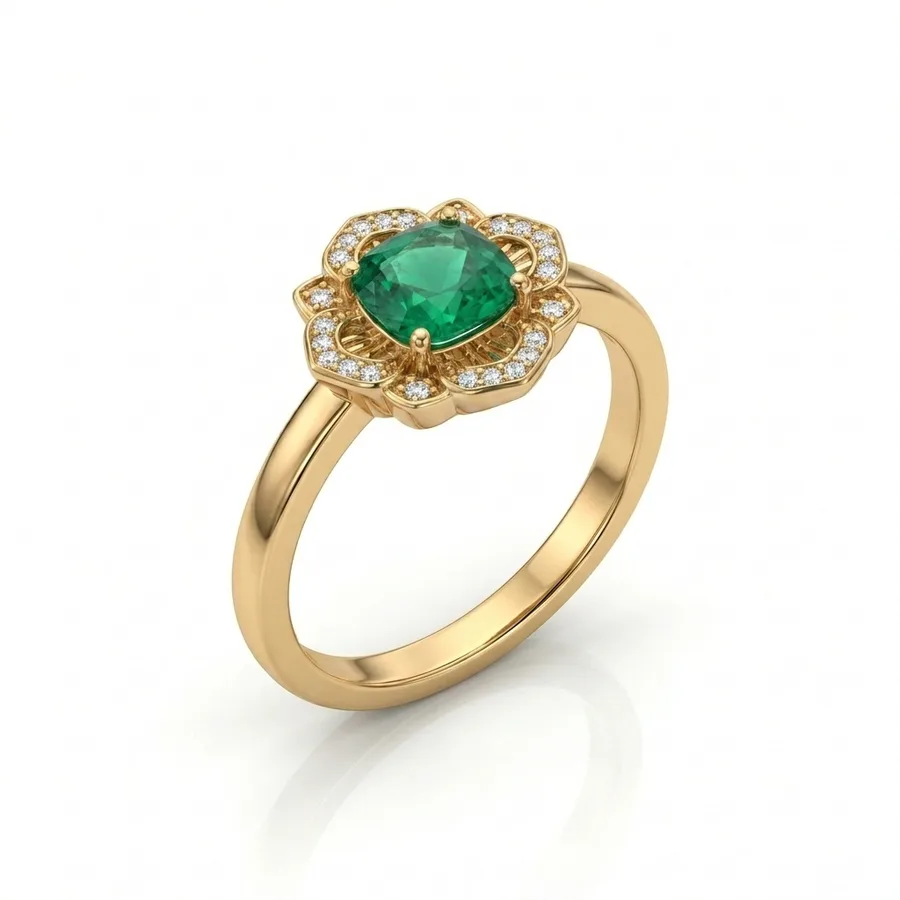
| Pairs best with | Emerald, ruby, warmer diamonds | Colorless diamonds, blue sapphire | Morganite, pink tourmaline, diamonds |
Does karat change the color?
Yes, visibly. The more pure gold in the alloy, the richer the tone:
- 18K yellow gold — a deeper, warmer yellow, close to classic gold. 14K is lighter and softer.
- 14K rose gold — usually a more pronounced pink, since there's more room for copper. In 18K the tone is softer and leans peach.
- White gold — 14K and 18K look almost identical because both are rhodium-plated. Under the plating, 18K tends to be slightly warmer.
If you want a new piece to match one you already own, find out its karat. Two yellow gold rings in different karats can look noticeably different side by side.
Which gold color suits my skin tone?
There's a well-known "rule": warm skin (greenish veins) suits yellow or rose gold, cool skin (bluish veins) suits white gold. It's a fine starting point, nothing more. What really matters:
- What's already in your jewelry box — a wedding band should work with what you wear every day
- Your clothes and style — yellow feels vintage and boho, white feels clean and modern, rose feels soft and romantic
- What makes you smile when you look at your hand
Plenty of people look great in all three. Don't let the "rule" decide for you.
How do I match gold color to a gemstone?
The metal reflects into the stone and changes how it looks:
- Very white diamonds (D–G color) — white gold or a white setting emphasizes the whiteness. See our diamond 4Cs guide
- Warmer diamonds (H–K) — yellow or rose gold masks the tint, so you can save on color grade
- Emerald and ruby — especially vivid on yellow gold
- Blue sapphire — crisp and deep on white gold
- Morganite and pink tourmaline — a natural match for rose gold
A popular trick: a yellow or rose gold band with a white gold head (the setting that holds the stone) — warm band, white-looking stone.
Which gold color is the most durable?
At the same karat the differences are modest, but a few points stand out. Rose gold has more copper, a relatively hard metal, so it resists scratches and bending fairly well. White gold benefits from rhodium's surface hardness while the plating is intact. The bigger factor is karat: 14K is harder and more durable than 18K in any color.
Can white gold cause an allergy?
Some white gold alloys contain nickel, one of the most common contact allergens. While the rhodium plating is intact, skin usually doesn't touch the alloy — but as it wears, sensitive people may react. If you have a known nickel sensitivity, mention it in your quote request so the team can check a nickel-free (for example palladium-based) alloy, or choose yellow or rose gold.
How to care for each gold color
The basics are the same for all three: take jewelry off before the pool, the sea, cleaning with chemicals and the gym, and clean it now and then with warm water, a little mild soap and a soft brush. A few small differences:
- Yellow gold — the easiest to maintain. Light scratches add a much-loved patina, and a jeweler's polish restores full shine.
- White gold — avoid abrasive cleaners that speed up rhodium wear. When a warm tint appears, it's time to re-plate.
- Rose gold — chlorine and salt water can affect the tone over time, so take it off before swimming.
For rings with stones in any gold color, check occasionally that the prongs holding the stone are still secure. The setting style affects durability too — see our engagement ring settings guide.
Two-tone and tri-color gold
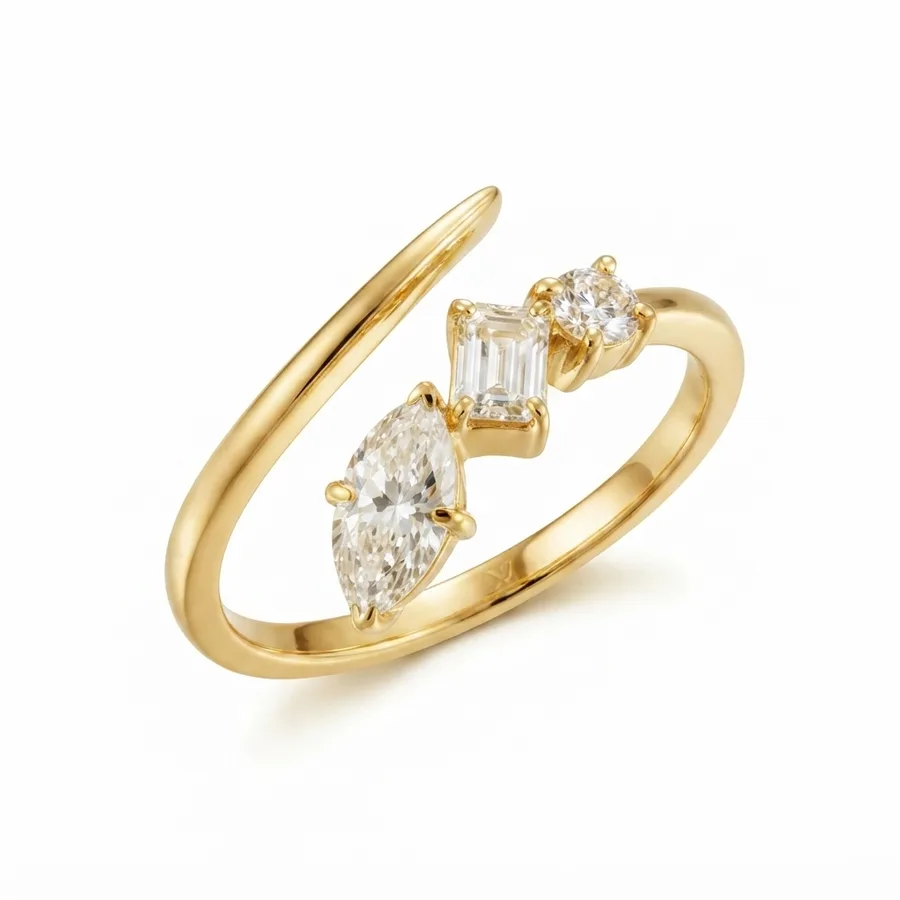
Two-tone jewelry combines two gold colors in one piece — a yellow band with a white stripe, or a white head on a rose band. Tri-color pieces use all three, like three interlocking bands. The practical upside: they go with everything you already own.
Which gold color is trending for engagement rings in Israel?
We don't have official figures, but recent years have seen a clear comeback of yellow gold for engagement and wedding rings, while white gold remains a common classic and rose gold stays popular for delicate, romantic designs. Trends come and go — you'll wear the ring for decades, so choose what you love. Browse engagement rings and wedding rings for inspiration.
How to choose without guessing
The best way is to see it. In the Gold AI design studio you describe your piece in words — English or Hebrew — and get photorealistic designs in seconds. Then ask in chat for "the same in rose gold" or "make the head white gold" and compare. When you've decided, request a personal quote and the team sends it over WhatsApp. We work in 14K and 18K gold in all three colors, and every piece is handcrafted by expert goldsmiths in the Ramat Gan diamond exchange district.